
You probably don’t need another reason to take a vacation…
But if you’re the type of person who feels guilty about taking time off, needs to justify every day of PTO, or routinely lets your vacation days expire because there’s “too much to do,” here’s something you might want to hear:
Taking a vacation isn’t just fun. It may actually be good for your health.

And Americans aren’t exactly great at taking advantage of this particular health benefit.
We tend to think of vacations as a luxury—a reward for getting everything else done. But time away from your normal routine can provide an opportunity to reduce stress, get more sleep, move more, spend time outdoors, and simply step away from the demands of everyday life.
Table of Contents
Here are 6 reasons to stop treating vacation like something you have to earn.
Benefits of Taking a Vacation #1: Vacations can help reduce stress
This one probably isn’t surprising.
Work, family responsibilities, errands, household tasks, screens, appointments, and the general busyness of everyday life can keep your stress levels elevated day after day.
Getting away from your usual environment—even temporarily—can give you a chance to mentally disconnect from those demands.
A vacation won’t magically eliminate stress from your life. But giving yourself some actual time away can help you reset instead of constantly running on empty.
And sometimes the most productive thing you can do is stop being productive for a little while.
Benefits of Taking a Vacation #2. Vacations can be good for your heart
Taking time off may do more than make you feel relaxed.
That doesn’t mean taking a vacation will prevent or treat heart disease. But it does add to the evidence that regular periods of rest and recovery may be one small piece of a healthy lifestyle.
And that’s an important distinction.
You don’t have to look at your health as a choice between “working hard” and “taking care of yourself.”
Sometimes taking care of yourself means taking the time off.
Benefits of Taking a Vacation #3. You may actually move MORE on vacation
When you hear the word vacation, you might picture lying by a pool with a book, and there’s absolutely nothing wrong with that!
But vacations can also naturally increase your physical activity, especially when you’re exploring somewhere new.
Think about it:
- Walking around a new city
- Hiking a trail
- Exploring a national park
- Kayaking or paddleboarding
- Sightseeing
You don’t necessarily have to schedule a formal workout to be active.
And that’s an important reminder if you’re someone who thinks exercise only “counts” if you’re in a gym for 30 minutes.
Movement is movement.
Your vacation might be a great opportunity to rediscover ways to be active that actually feel like fun.
Benefits of Taking a Vacation #4. Vacation can help you get more sleep
How many times have you told yourself, I’ll catch up on sleep when things slow down?
And then…things never slow down.
Work deadlines, school schedules, household responsibilities, appointments, and everything else can make sleep feel like something you squeeze in around the rest of your life.
Vacation can give you an opportunity to change that.
You may naturally sleep longer when you don’t have to wake up for work or get everyone out the door. You may also find that you’re less mentally stimulated at night when you’re not checking email or thinking about tomorrow’s to-do list.
Research on vacation experiences has found that vacations can be associated with improvements in sleep quality and duration, along with reductions in perceived stress.
And better sleep has benefits that extend far beyond simply feeling less tired.
Sleep plays an important role in energy, mood, cognitive function, appetite regulation, and overall health.
So if your vacation plans include sleeping in without an alarm, don’t feel guilty about it.
Your body may appreciate it.
Benefits of Taking a Vacation #5. Time away can help you reconnect with the things that matter
Here’s a benefit that doesn’t always show up on a list of health statistics:
Vacations can give you back some of your time.
And when you’re not constantly rushing from one obligation to the next, you may have more opportunities to connect with your partner, friends, children, family—or simply yourself.
You might have an actual conversation over dinner instead of eating while scrolling your phone.
You might spend an afternoon outside instead of answering emails.
You might finally read that book that’s been sitting on your nightstand.
Or you might do absolutely nothing.
Those things may not sound like “health behaviors,” but your quality of life matters, too.
Health isn’t just about what you eat or how many steps you get.
Benefits of Taking a Vacation #6. You don’t have to take a huge vacation to benefit
This might be the best news of all if taking a full week or two away isn’t realistic for you. You don’t necessarily have to save all your PTO for one giant vacation each year.
Research suggests that the recovery benefits of vacation can occur even with shorter periods away, although longer vacations may provide additional opportunities for recovery and well-being.
That means a few days away here, a long weekend there, and an occasional longer trip can all have a place in your life.
And there’s another reason to think beyond that one big annual vacation: If you spend 11 months of the year completely exhausted because you’re waiting for that one big vacation, you may be missing opportunities to regularly step away from work and everyday responsibilities.
You don’t have to wait until you’re burned out to take time off.
5 Ways to Make your Vacation even Healthier
Of course, you can absolutely take a vacation where you sleep until noon, eat dessert every night, and never exercise
You don’t need to turn your vacation into another health challenge. But if you want to get even more health benefits from your time away, try incorporating some simple healthy habits without turning them into rules.
1. Get outside
Go for a walk. Sit on the beach. Take a hike. Explore a new place on foot.
Active outdoor vacations may be particularly beneficial because they combine the potential benefits of time away with physical activity and time spent in nature. International Journal of Behavioral Nutrition and Physical Activity study
2. Move in ways you enjoy
You don’t need to find a hotel gym every morning. Swim, bike, hike, walk, dance, kayak, or play!
You don’t have to exercise on vacation. You just have to give yourself opportunities to move.
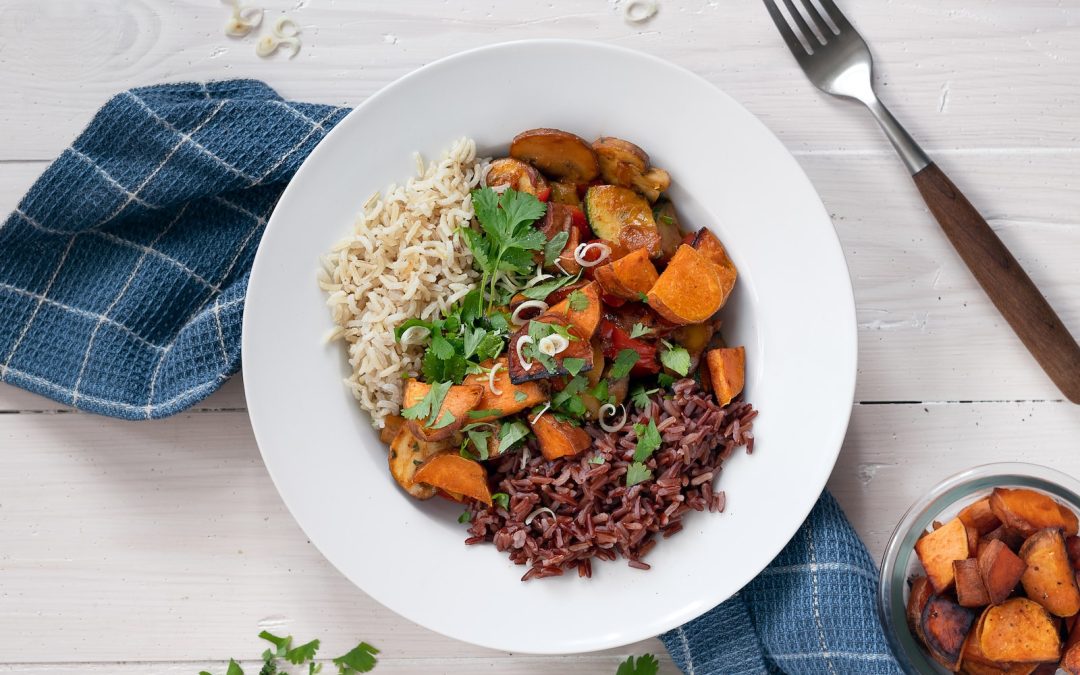
3. Eat plenty of whole foods
Enjoy the local food. Have dessert. Try something you’ve never eaten before! Look for opportunities to include fruits, vegetables, whole grains, protein, and other nourishing foods.
4. Prioritize sleep
If you have the opportunity to sleep later, take advantage of it.
And if you’re traveling across time zones, give yourself some time to adjust rather than expecting your body to immediately operate on your normal schedule.
5. Actually disconnect
If possible, step away from work email and notifications.
Your vacation isn’t much of a vacation if you’re spending half of it answering work messages.
You don’t have to “earn” your vacation
This might be the biggest takeaway: You don’t have to finish your entire to-do list before you’re allowed to rest.
You don’t have to work yourself into the ground and then use vacation as an emergency recovery period, and you don’t have to make your vacation perfectly healthy to make it worthwhile!
Rest is part of a healthy lifestyle.
So take the long weekend.
Book the trip.
Go camping.
Visit your family.
Spend a week at the beach.
Take a day off and do absolutely nothing.
Whatever vacation looks like for you, give yourself permission to enjoy it because taking care of your health isn’t only about what you do more of.
Sometimes, it’s also about knowing when to step away, slow down, and recharge.
And yes…You probably do deserve that vacation.
Frequently Asked Questions
How long should a vacation be to get health benefits?
You don’t necessarily need to take a week or two off to benefit from vacation. Even shorter breaks can provide opportunities to reduce stress, get more sleep, and step away from your normal routine. Longer vacations may provide additional benefits, particularly when they include physical activity and time outdoors.
Is taking a vacation actually good for your health?
Research suggests that taking time away from work may benefit both physical and mental well-being. Studies have associated vacations with lower stress, improved sleep and well-being, greater physical activity, and fewer symptoms associated with metabolic syndrome.
Is it better to take several short vacations or one long vacation?
Taking several vacations throughout the year may be beneficial because it gives you multiple opportunities to recover from work and everyday stress rather than waiting all year for one big break. Even a long weekend can be a worthwhile opportunity to recharge.
Do I need to exercise on vacation?
No! You don’t need to turn your vacation into a workout program. But vacations can be a great opportunity to move more naturally—walking, swimming, hiking, sightseeing, biking, or simply spending more time outdoors. The goal is to enjoy being active, not to compensate for what you eat while you’re away.
Should I eat healthy while I’m on vacation?
You don’t have to follow a strict diet while you’re on vacation. Enjoy the foods you love and the experience of trying local foods. At the same time, including plenty of fruits, vegetables, protein, whole foods, and water can help you feel your best. Healthy eating doesn’t have to mean restrictive eating.
Can taking a vacation reduce stress?
Taking time away from work and your normal responsibilities can help reduce stress and support recovery. However, the benefits may not last indefinitely once you return to your usual routine—which is one reason taking regular breaks throughout the year may be more helpful than waiting until you’re completely burned out.
What is the healthiest type of vacation?
There’s no single “healthiest” vacation. But vacations that include time outdoors, physical activity, adequate sleep, relaxation, and enjoyable experiences may provide particularly valuable health benefits. And honestly, a vacation you actually enjoy is probably better for you than one filled with rules and restrictions.