
If you want to make real progress with your fitness results this year, you need to simplify.

The fitness industry makes it sound complicated. New programs, new gadgets, new supplements, new systems. But when I sit down with my clients and map out their goals, we always come back to the same truth:
The basics drive almost all of your fitness results.
Table of Contents
The 7 Simple Daily Actions for Fitness Results
If your goal is increased strength, more energy, boosted confidence, or better overall health, these fundamentals will carry you further than any trend ever will.
1. Eat a Whole Foods Based Balanced Diet
The foundation of every transformation starts in the kitchen.
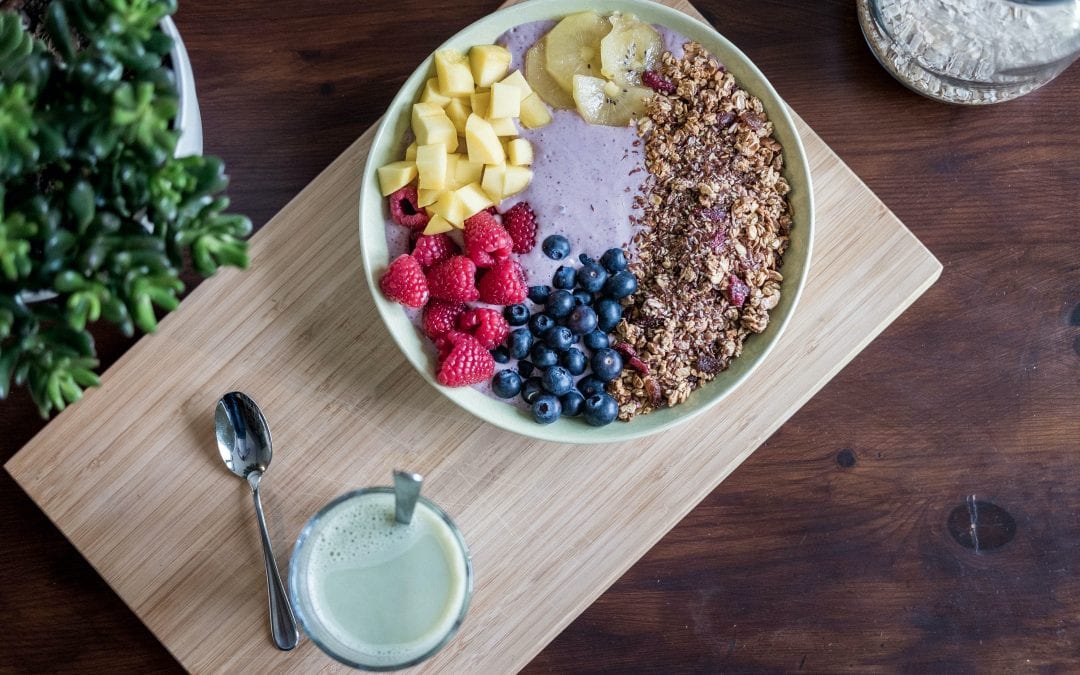
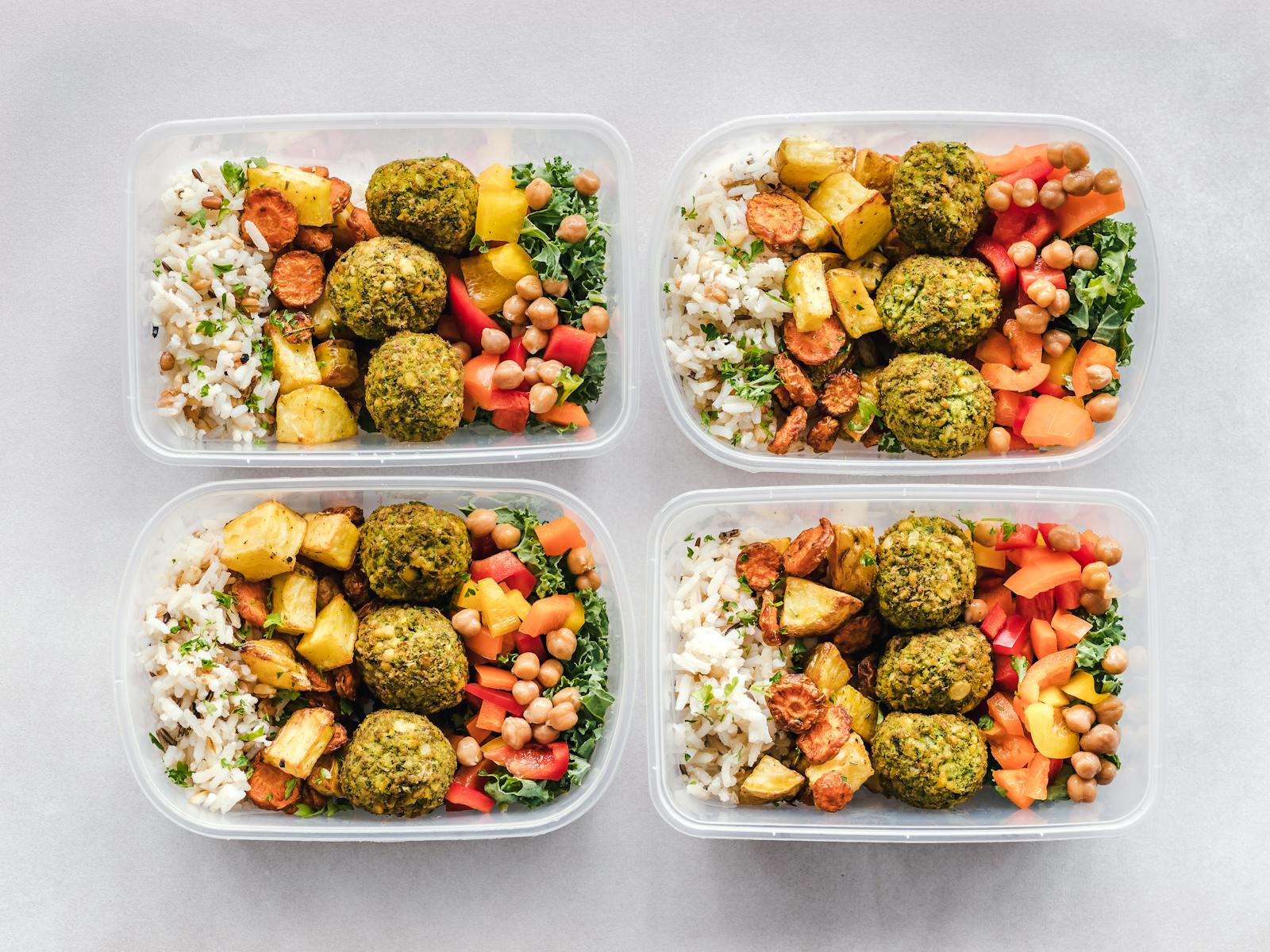
If you want fitness basics that actually work, you need to prioritize whole foods. That means foods that look close to how they came from nature. Lean proteins, vegetables, fruits, whole grains, legumes, nuts, and healthy fats.
Here is what that looks like in practice:
- Protein at every meal to support muscle and control hunger
- Fiber rich carbohydrates for steady energy
- Healthy fats to support hormones and satiety
- Hydration throughout the day
Protein is especially important. It supports muscle retention, recovery, and overall strength. It also keeps you full longer, which naturally reduces overeating.
You do not need a complicated meal plan. You need consistency with real food, appropriate portions, and awareness of your goals.
If you are just starting your fitness journey, begin by improving one meal at a time. Upgrade your breakfast. Then lunch. Then dinner.
Momentum builds quickly.
2. Get Enough Strength Training
One of the most overlooked fitness basics is strength training.
Many people focus only on cardio. Cardio burns calories in the moment. Strength training builds muscle that increases your metabolic rate over time. Muscle is metabolically active tissue. The more lean muscle you carry, the more calories your body burns at rest.
A simple fitness plan should include:
- Strength training two to four times per week
- Full body movements such as squats, presses, rows, and deadlifts
- Progressive overload over time
If you are a beginner, start with bodyweight exercises. Squats, push ups, lunges, planks. As you build confidence, add resistance.
Strength training also improves posture, joint stability, bone density, and confidence. It is one of the highest return investments you can make in your body.
3. Move Your Body Daily
Beyond structured workouts, daily movement matters.
Your non exercise activity, such as walking, standing, cleaning, or playing with your kids, adds up. These small movements throughout the day can significantly impact calorie burn and overall health.
Daily fitness habits should include:
A step goal that challenges you
Short walking breaks if you work at a desk
Active hobbies you enjoy
You do not have to train hard every day. You do need to avoid long stretches of inactivity.
A 20 minute walk after dinner can improve blood sugar control, digestion, and recovery. It also helps create a rhythm that reinforces your healthy lifestyle basics.
[RELATED: How to Finally Build a Fitness Routine That Sticks: 6 Proven Strategies]
4. Protect Your Sleep
Sleep is often treated as optional. It is not.
If you are not sleeping well, your hunger hormones become dysregulated. You crave higher calorie foods. Your energy drops. Your workouts suffer. Your stress increases.
Quality sleep supports recovery, muscle growth, mental clarity, and emotional stability.
To improve sleep:
- Set a consistent bedtime
- Limit screens before bed
- Keep your room cool and dark
- Avoid heavy meals right before sleeping
When clients improve their sleep, their progress accelerates. Better sleep leads to better food choices. Better food choices lead to better energy. Better energy leads to better workouts.
Everything connects.
5. Manage Stress Before It Manages You
Stress directly impacts your fitness progress.
Chronic stress increases cortisol, which can influence fat storage, cravings, and emotional eating. It also drains your motivation and focus.
A sustainable fitness plan must include stress management.
Simple strategies include:
- Breathing exercises
- Journaling
- Structured workouts
- Spending time outdoors
- Setting boundaries
You do not need a perfect life to make progress. You need tools that help you regulate your response to stress.
When stress is managed, decision making improves.
When decision making improves, consistency follows.
6. Build a Support System
Trying to do this alone is exhausting.
One of the strongest fitness basics is accountability. Whether that comes from a personal trainer, a small group, a workout partner, or family support, it matters.
Support helps you:
- Stay consistent
- Adjust your plan when needed
- Celebrate wins
- Push through plateaus
At Fitness Lifestyle Personal Training LLC, we focus heavily on coaching and accountability. Clients succeed because they are guided, supported, and challenged.
When you feel connected and encouraged, your energy shifts. You stop relying solely on motivation and start building discipline.
7. Focus on Consistency Over Perfection
This is where most people derail.
They try to overhaul everything at once. When life gets busy, they fall off completely.
Fitness basics work because they are sustainable.
You do not need extreme restriction. You do not need two hour workouts. You do not need to eliminate entire food groups unless medically necessary.
You need consistent effort over time.
Miss a workout. Get back on track tomorrow. Eat an off plan meal. Return to balanced eating at the next one. Have a stressful week. Prioritize sleep and movement where you can.
Consistency compounds. Small actions repeated daily produce powerful fitness results.
How the Basics Work Together
The magic is in the connection between these habits.
Better sleep improves recovery.
Improved recovery boosts workout performance.
Stronger workouts increase muscle mass.
More muscle improves metabolism.
Better nutrition fuels training.
Lower stress improves food choices.
Once you find your rhythm, everything feels smoother.
Instead of constantly searching for the next trend, you know what to focus on each day.
Eat well. Train smart. Move daily. Sleep deeply. Manage stress. Stay supported. Repeat.
A Sample Weekly Framework for Fitness Results
If you are wondering how to start a fitness journey, here is a practical framework:
Monday
Strength training
Protein focused meals
Evening walk
Tuesday
Active recovery or light cardio
Hydration focus
Early bedtime
Wednesday
Strength training
Meal prep for remaining week
Thursday
Daily movement focus
Stress management activity
Friday
Strength training
Balanced dinner
Saturday
Outdoor activity
Family or social movement
Sunday
Rest
Plan meals and workouts
This structure supports your goals without overwhelming your schedule.
Frequently Asked Questions
What are the most important fitness basics?
The most important fitness basics include eating a balanced whole foods diet, strength training consistently, increasing daily movement, prioritizing sleep, managing stress, and building accountability. These habits create a strong foundation for long term health and performance.
How many days per week should I work out?
Most beginners see great fitness results with three to four strength training sessions per week combined with daily movement. The key is consistency and progressive overload rather than extreme volume.
Is cardio necessary?
Cardio can support heart health and endurance, but strength training plays a critical role in preserving muscle and boosting metabolism. A balanced plan that includes both is ideal.
How long does it take to see fitness results?
Many people notice improved energy and mood within two weeks. Visible changes typically begin within four to six weeks when habits are consistent. Long term transformation occurs over months of steady effort.
Can I improve my fitness without giving up my favorite foods?
Yes. Sustainable fitness habits focus on balance and portion control. You can include favorite foods in moderation while prioritizing nutrient dense options most of the time.
What if I struggle with motivation?
Motivation fluctuates. That is normal. Focus on building routine and accountability. A coach, structured program, or training partner can help maintain consistency when motivation dips.
Final Thoughts on Fitness Results
If you feel overwhelmed by conflicting advice, come back to the basics.
Fitness basics are simple, powerful, and proven. They require effort, but they do not require gimmicks.
When you master these fundamentals, you create a strong foundation that supports every other goal you set.
Start with one habit today. Improve it. Then build from there.
The basics will carry you further than any shortcut ever could.