
Let me ask you something, what do you want to be able to do when you’re 60, 70, 80, and beyond?
Maybe you want to travel through Europe with your partner.
Hike a mountain?
Play tennis with your friends?
Dance at your grandkids’ weddings.
Get down on the floor and back up again without thinking twice about it?
Maybe your dream is much simpler. You want to walk around your neighborhood, climb a flight of stairs, get out of a chair, or spend a day at the beach without worrying about whether your body can keep up.
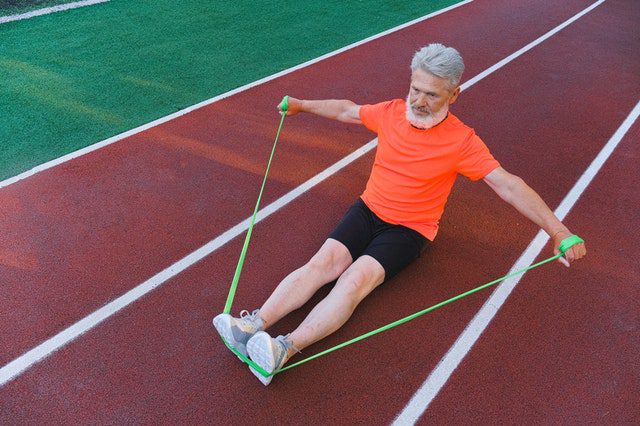
7 Healthy Aging Tips That Can Help You Stay Strong, Mobile, and Active for Life
Whatever your vision looks like, there is one question worth asking yourself today:
Can your body do those things right now?
Do you have the strength, stamina, balance, and mobility you need?
If the answer is yes, that’s fantastic. Your job now is to keep building a lifestyle that supports the abilities you want to hold onto.
If some of those things are becoming more difficult, you have an opportunity to start working on them now.
That is one of the most important ideas behind healthy aging. You don’t have to wait until you’re older to start thinking about your future health. The habits you build today can help support how you move, function, and live years from now.
Think of it as a health retirement account.
Every walk, strength workout, nutritious meal, good night’s sleep, and mobility session is a small deposit. You get benefits from those deposits today, and you are also building a stronger foundation for the future.
The goal isn’t to chase some imaginary version of youth. The goal is to have a body that helps you participate in your own life for as long as possible.
7 Healthy Aging Tips
Healthy Aging Tip #1. Build and Maintain Muscle
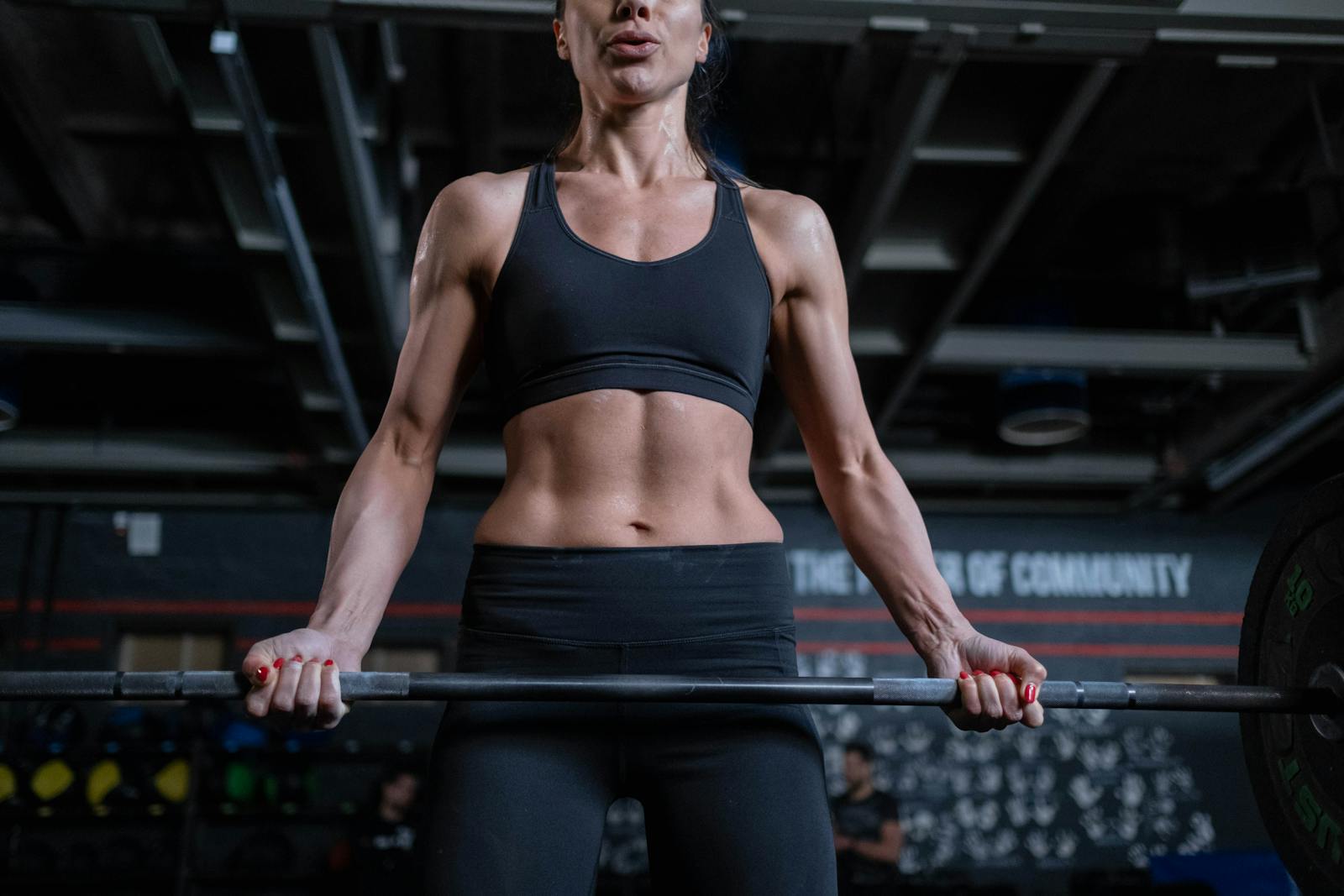
If there is one area of fitness I would encourage you to pay attention to as you age, it’s strength.
Muscle naturally changes as we get older. Without regular resistance exercise and adequate nutrition, we tend to lose muscle mass and strength over time. That can affect much more than your ability to lift weights at the gym.
Strength helps you carry groceries.
It helps you get up from a chair.
It helps you climb stairs.
It helps you lift your suitcase into the car.
It helps you play with your kids or grandkids.
It helps you participate in hobbies and activities that require physical effort.
It also contributes to your ability to recover from life’s unexpected moments, such as stumbling or losing your balance.
This is why strength training deserves a place in your long-term health plan.
You don’t need to become a competitive powerlifter. You don’t need to spend hours in a gym. You can start with bodyweight exercises, resistance bands, dumbbells, or other forms of resistance that challenge your muscles appropriately.
The CDC recommends that adults include muscle-strengthening activities at least two days per week, with exercises that work the major muscle groups.
If you are new to strength training, start at a level that feels manageable and focus on learning good movement patterns. Gradually increasing the challenge over time can help you continue making progress.
The earlier you build strength, the more useful that strength can be later.
Healthy Aging Tip #2. Keep Moving Throughout the Day
A workout is great, but your entire day matters too.
You can exercise for 30 minutes and still spend most of the rest of your day sitting. That’s why it’s worth looking for opportunities to move more often.
- Take the stairs when you can.
- Walk while you talk on the phone.
- Park a little farther away.
- Get up and stretch between tasks.
- Work in your garden.
- Take the dog for a walk.
- Dance around the kitchen.
- Carry your own groceries.
These everyday movements may seem small, but they add up.
The CDC recommends that adults get at least 150 minutes of moderate-intensity aerobic activity each week, along with muscle-strengthening activities on at least two days. Older adults are also encouraged to include balance activities.
You don’t have to accomplish everything in one giant workout.
A brisk 10-minute walk counts. A few minutes of dancing counts. Riding a bike counts. Swimming counts.
The best activity is often the one you actually enjoy enough to keep doing.
Healthy Aging Tip #3. Train for the Life You Want to Live
Here’s a question I love to ask:
What do you want your body to be able to do at 75?
Imagine yourself at the beach.
Are you swimming? Walking along the shore?
Playing with your grandchildren? Getting in and out of the water?
Or are you sitting in a chair because those activities have gradually become too difficult?
Now imagine yourself at home after a grocery trip.
Can you carry the bags inside?
Can you comfortably walk up the stairs?
Can you get down on the floor to pick something up?
Can you get back up again?
These questions aren’t meant to scare you. They’re meant to help you think about what you’re building toward.
Your fitness routine should have a connection to the life you actually want.
- If you want to travel, work on endurance and strength.
- If you want to hike, walk regularly and build leg strength.
- If you want to garden, practice squatting, bending, carrying, and getting up and down from the ground.
- If you want to play tennis, golf, pickleball, or another sport, train the movements and physical abilities that support those activities.
- If you want to dance at 80, keep dancing now.
Your future doesn’t require you to predict exactly what will happen. It simply gives you a reason to build physical capacity today.
Healthy Aging Tip #4. Give Mobility the Attention It Deserves
Strength gets a lot of attention, but mobility is another important piece of healthy aging.
As we get older, some areas of the body can become less mobile. The upper back, shoulders, hips, and other parts of the body may gradually lose some range of motion, especially when we spend a lot of time sitting and don’t regularly move through different positions.
The good news is that you can practice mobility throughout your life.
Two simple movements that can be useful additions to a mobility routine are the World’s Greatest Stretch and shoulder pass-throughs.
- Healthy Aging Exercise #1: The World’s Greatest Stretch
This movement combines a lunge, hip mobility, upper-back rotation, and shoulder movement.
Start by standing tall with your feet together.
Step your left foot forward into a lunge.
Place your right hand on the floor near your left foot. Keep your back leg extended or lower your knee if needed to make the movement more comfortable.
Bring your left elbow toward the inside of your left foot. Move only as far as you comfortably can.
Then lift your left arm toward the ceiling and rotate your upper body to the left.
Take a few slow breaths, then switch sides.
You don’t have to force yourself into a deep stretch. The goal is to explore comfortable movement and gradually improve your range of motion.
Healthy Aging Exercise #2: Shoulder Pass-Throughs
For this exercise, you can use a broomstick, dowel, or resistance band.
Stand with your feet about shoulder-width apart.
Hold the stick or band with both hands and your arms straight. Your hands should be wider than your shoulders.
Slowly raise your arms overhead, keeping your arms straight and moving only through a comfortable range.
Then return to the starting position.
Repeat about five times.
If you’re using a resistance band, keep gentle outward tension on the band. If you feel pain, stop and adjust the movement.
Try incorporating mobility work several times a week, especially after your body is warm from walking or another light activity.
Healthy Aging Tip #5. Practice Balance Before You Need It
Balance is another ability that deserves attention as we age.
You use balance every time you walk across an uneven surface, step over something, change direction, climb stairs, or recover from a stumble.
Balance can be practiced in simple ways:
- Try standing on one foot while holding onto a counter for support.
- Practice walking heel-to-toe along a clear path.
- Try controlled sit-to-stand movements from a sturdy chair.
- Participate in activities such as yoga or tai chi.
- The goal is to challenge your balance safely and progressively.
- If you’re practicing standing on one foot, stay near something sturdy that you can grab if needed. You don’t get extra points for falling over.
The CDC recommends balance activities as part of the weekly activity routine for adults 65 and older. Building balance skills earlier can also be a smart part of preparing for the years ahead.
Healthy Aging Tip #6. Support Your Body With the Basics
Exercise gets a lot of attention, but your body needs more than workouts.
Your daily habits matter.
Eating a variety of nutrient-dense foods can help provide the energy and nutrients your body needs. Getting enough sleep supports recovery and overall health. Managing stress can help you feel better and make it easier to maintain healthy habits.
Fresh air and time outdoors can also make movement more enjoyable.
Think about the basics that help you feel your best:
- Eat regular meals that include a variety of nutritious foods.
- Include sources of protein throughout the day.
- Drink enough fluids.
- Prioritize consistent sleep.
- Spend time outdoors when you can.
- Find ways to manage stress that actually work for you.
- Give your body time to recover between harder activities.
You don’t have to overhaul your entire life overnight.
Small improvements can be surprisingly powerful when you repeat them consistently.
Healthy Aging Tip #7. Make Your Health Habits Sustainable
This may be the most important habit of all.
Your future health is built through the things you can continue doing.
You don’t need a perfect workout schedule. You don’t need to eat perfectly. You don’t need to feel motivated every morning.
You need a system that fits your actual life.
That might mean walking for 20 minutes instead of planning an hour-long workout you never have time to do.
It might mean strength training twice a week instead of promising yourself you’ll exercise every day.
It might mean doing five minutes of mobility work while your coffee brews.
It might mean taking a rest day because your body needs it.
It might mean changing your workout during a busy week instead of abandoning the entire routine because you couldn’t follow the original plan.
Consistency becomes much easier when your habits are realistic.
7 Steps to Start Building a Healthy Aging Routine Now
If you’re wondering where to begin, keep it simple.
Healthy Aging Routine Step# 1. Picture your future.
Think about what you want to be able to do at 60, 70, 80, and beyond. Write down five activities you want to keep doing.
Healthy Aging Routine Step# 2. Check your current abilities.
Ask yourself whether you can currently do those things comfortably. Pay attention to areas where you feel strong and areas where you notice limitations.
Healthy Aging Routine Step# 3. Start strength training twice a week.
Choose exercises that work your major muscle groups. Begin at an appropriate level and gradually increase the challenge.
Healthy Aging Routine Step# 4. Move every day.
Walk, garden, dance, cycle, swim, play a sport, or find another activity you enjoy. Look for ways to break up long periods of sitting.
Healthy Aging Routine Step# 5. Add mobility and balance practice.
Spend a few minutes several times a week working on comfortable range of motion and balance.
Healthy Aging Routine Step# 6. Build your recovery habits.
Pay attention to sleep, nutrition, hydration, stress, and rest. These habits support your ability to keep showing up for movement.
Healthy Aging Routine Step# 7. Focus on what you can do consistently.
A routine you follow imperfectly for years will serve you better than an intense plan you abandon after three weeks.
The CDC’s physical activity guidelines offer a helpful framework, but your starting point should reflect your current fitness level, health, and abilities. If you have a medical condition, significant pain, or concerns about beginning a new exercise routine, talk with your healthcare professional about what is appropriate for you.
The Goal of Healthy Aging Is a Bigger Life
When we talk about exercise and aging, the conversation can quickly become focused on weight, appearance, or trying to look younger, but there is another way to think about it.
What if your reason for getting stronger is so you can carry your own suitcase?
What if you walk because you want to explore a new city?
What if you work on balance because you want to keep hiking?
What if you practice mobility because you want to get down on the floor and play with your grandchildren?
Healthy aging gives you the opportunity to think beyond today’s workout and consider the life you’re building.
You don’t know exactly what the next 20 or 30 years will bring. None of us do.
But you can take steps today that support your ability to participate in the things that matter to you.
Start where you are.
Build strength. Keep moving. Work on mobility. Practice balance. Eat in a way that supports your health. Get enough rest.
And keep finding reasons to move that have nothing to do with punishment or earning food.
Your body is the vehicle that carries you through your life.
Take care of it because you want to live that life fully.
You might also like:
Frequently Asked Questions About Healthy Aging
What is healthy aging?
Healthy aging is the process of maintaining your physical, mental, and social well-being as you get older. Physical activity, strength, mobility, balance, nutritious food, sleep, stress management, and social connection can all contribute to healthy aging.
Can you still build muscle as you get older?
Yes. Adults can improve strength and build muscle through appropriately designed resistance training at many ages. Starting with manageable exercises and gradually increasing the challenge can help support continued progress.
How often should older adults exercise?
The CDC recommends that adults 65 and older aim for at least 150 minutes of moderate-intensity aerobic activity per week, muscle-strengthening activities on at least two days per week, and activities that improve balance. People should adjust their activities based on their abilities and health conditions.
Is walking enough for healthy aging?
Walking is an excellent form of aerobic activity and can be an important part of a healthy aging routine. However, a well-rounded approach also includes muscle-strengthening and, particularly as you get older, balance activities.
Why is strength training important as you age?
Strength supports many everyday activities, including carrying groceries, climbing stairs, getting up from a chair, and participating in hobbies and sports. Maintaining strength can also help support physical independence as you age.
Can mobility exercises help you stay flexible as you get older?
Regularly moving your joints through comfortable ranges of motion can help you maintain mobility. A combination of mobility exercises, strength training, and regular physical activity can support your ability to move well.
Is it too late to start exercising?
No. Physical activity can provide benefits throughout life. If you’ve been inactive, start with activities that match your current abilities and gradually build from there. The CDC notes that regular physical activity can help older adults maintain independence and quality of life.
What is the best exercise for healthy aging?
The best exercise is one that you enjoy, can perform safely, and can continue doing consistently. A combination of aerobic activity, strength training, mobility work, and balance practice can provide a well-rounded approach to supporting healthy aging.
Where can I learn more about physical activity recommendations?
The CDC’s physical activity recommendations for older adults provide evidence-based guidelines and practical suggestions for adding aerobic, muscle-strengthening, and balance activities to your routine.