
February is Heart Health Month
This makes it the perfect time to focus on habits that support your heart in realistic and sustainable ways. My favorite way to approach this is to incorporate foods that lower cholesterol that are also delicious and easy to prepare!
More often than not, when the topic of heart health comes up, most conversations center around restriction and cutting foods out.
That approach often feels overwhelming and hard to maintain.
A more effective strategy is focusing on what to add to your plate.
Table of Contents
Food plays a powerful role in heart health, especially when it comes to managing cholesterol levels. LDL cholesterol, often referred to as “bad cholesterol”, can build up in blood vessel walls over time. This buildup increases the risk of heart disease and stroke, which are among the leading causes of death worldwide.
The Good News
is that certain foods can help lower LDL cholesterol naturally. They work in different ways, including binding cholesterol in the digestive system, reducing how much cholesterol your body absorbs, and replacing saturated fats with healthier unsaturated fats.
This Heart Health Month, consider using food as a tool for support rather than restriction. Below are ten heart-healthy foods that research consistently shows can help lower LDL cholesterol and support overall cardiovascular health.
Heart Healthy Food #1. Whole Grains, Especially Oats and Barley
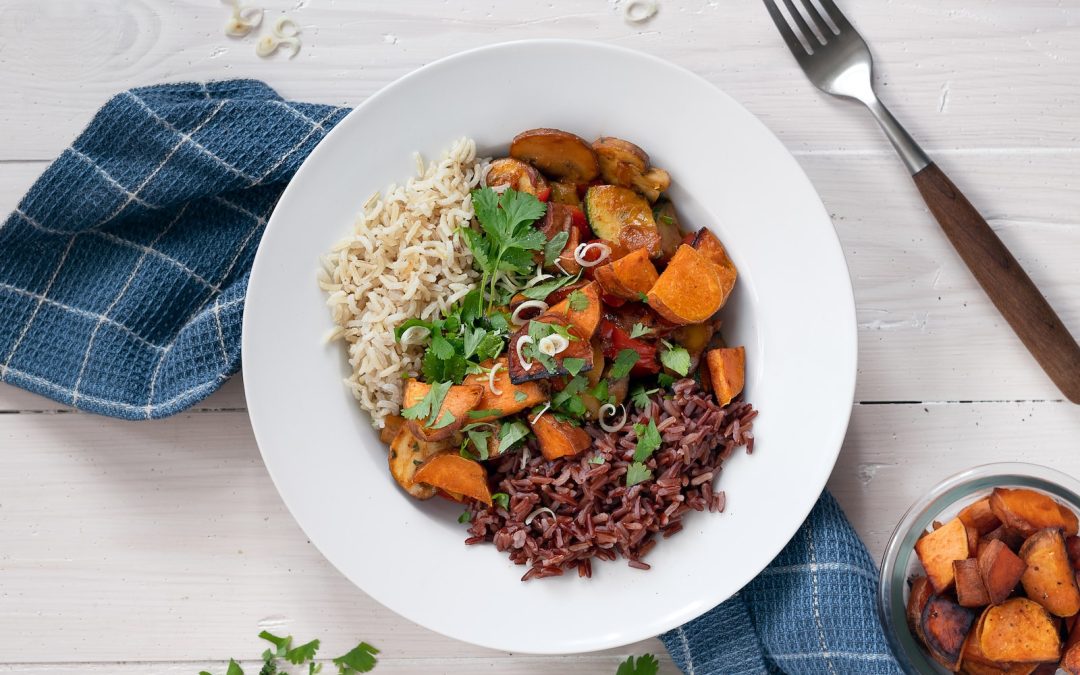
Whole grains are one of the most well-researched foods for heart health. Oats and barley are especially powerful because they contain beta-glucan, a type of soluble fiber. Soluble fiber binds to cholesterol in the digestive tract and helps remove it from the body before it enters the bloodstream.
Eating oats regularly has been shown to lower LDL cholesterol levels when consumed as part of a balanced diet. A simple bowl of oatmeal, overnight oats, or adding barley to soups and grain bowls can make a meaningful difference over time.
Heart Healthy Food #2. Beans and Legumes
Beans such as lentils, black beans, kidney beans, chickpeas, and black-eyed peas are rich in soluble fiber and plant-based protein. They help reduce LDL cholesterol while also supporting blood sugar balance and digestive health.
Replacing some animal proteins with beans a few times per week can improve cholesterol levels without requiring a fully plant-based diet. Beans are affordable, filling, and easy to incorporate into meals like soups, salads, tacos, and grain bowls.
Heart Healthy Food #3. Non-Starchy Vegetables
Vegetables like broccoli, cauliflower, green beans, Brussels sprouts, and zucchini provide fiber, antioxidants, and phytochemicals that support heart health. While they may not lower cholesterol as dramatically as oats or beans, they play an important supporting role by improving overall dietary quality.
Non-starchy vegetables are naturally low in calories and high in volume, which can help reduce reliance on processed foods that are often high in saturated fat and sodium.
Heart Healthy Food #4. Dark Leafy Greens
Spinach, kale, Swiss chard, collard greens, and arugula contain fiber, antioxidants, and compounds that may help reduce cholesterol absorption. They also support blood vessel function and provide nutrients like potassium and magnesium, which are important for blood pressure regulation.
Adding leafy greens to smoothies, salads, soups, or sautés is a simple way to boost nutrient intake without major changes to your routine.
Heart Healthy Food #5. Nuts, Especially Walnuts and Almonds
Nuts are rich in unsaturated fats, fiber, and plant sterols, all of which support healthier cholesterol levels. Walnuts are particularly notable for their omega-3 fatty acid content, while almonds have been shown to reduce LDL cholesterol when eaten regularly.
Portion size matters, since nuts are calorie-dense. A small handful per day is enough to provide benefits without overdoing it.
Heart Healthy Food #6. Berries and Other Fruits
Berries such as blueberries, strawberries, raspberries, and blackberries are rich in soluble fiber and antioxidants. These compounds help reduce inflammation and oxidative stress, both of which contribute to heart disease.
Heart Healthy Food #7. Fatty Fish
Fatty fish like salmon, sardines, mackerel, trout, and tuna provide omega-3 fatty acids, which help lower triglycerides, reduce inflammation, and support overall cardiovascular health. While omega-3s do not directly lower LDL cholesterol, they improve the overall lipid profile and reduce heart disease risk.
The American Heart Association recommends eating fatty fish at least twice per week for heart health.
Heart Healthy Food #8. Olive Oil
Olive oil is a cornerstone of heart-healthy eating patterns such as the Mediterranean diet. It is rich in monounsaturated fats, which can help lower LDL cholesterol when used in place of saturated fats like butter.
Extra virgin olive oil also contains antioxidants that support blood vessel health. Use it for cooking at moderate temperatures, salad dressings, and drizzling over vegetables.
Heart Healthy Food #9. Avocados
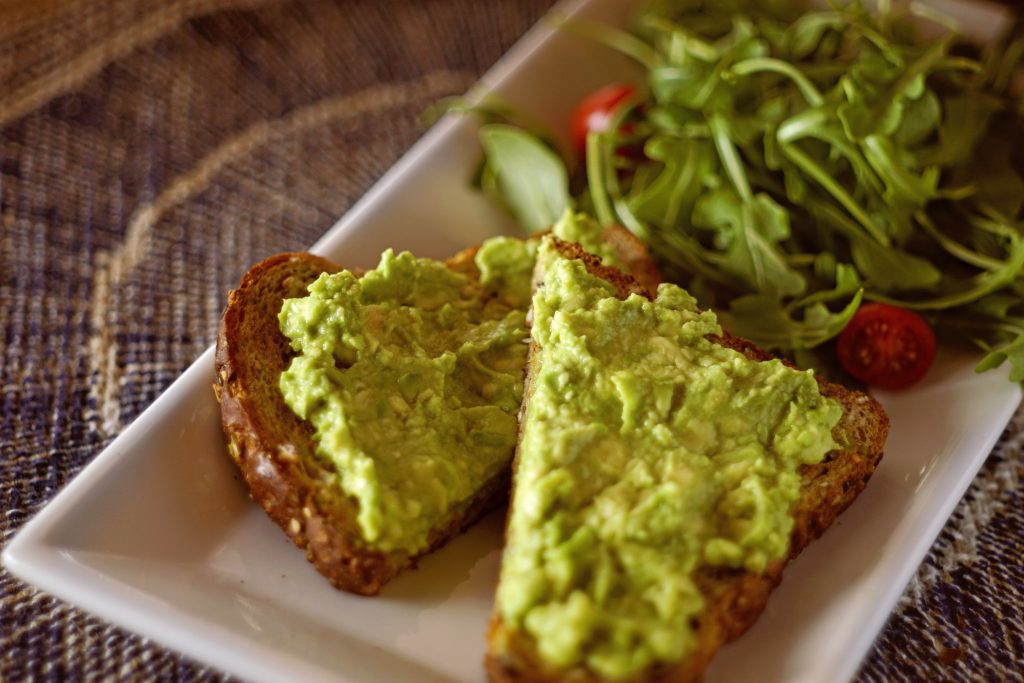
Avocados provide monounsaturated fats, fiber, and potassium, making them a heart-supportive food. Studies have shown that replacing saturated fats with avocado can help lower LDL cholesterol levels.
Avocados are versatile and can be added to toast, salads, smoothies, or used as a creamy substitute in recipes.
Heart Healthy Food #10. Tofu and Edamame
Soy-based foods like tofu and edamame contain plant protein, fiber, and compounds called isoflavones. Research suggests that soy protein can modestly lower LDL cholesterol when consumed regularly as part of a balanced diet.
Tofu and edamame are easy to incorporate into stir-fries, salads, soups, and grain bowls, making them a flexible option for heart health.
How to Add These Foods to Your Diet
Heart Health Month is not about perfection or drastic changes. It is about building awareness and making small, realistic adjustments that can add up over time.
Instead of focusing on cutting foods out, try swapping some processed or high saturated fat foods for options from this list. For example, choose oatmeal instead of sugary cereal, olive oil instead of butter, beans instead of processed meats, or fruit instead of packaged desserts.
Consistency matters more than intensity. Even a few heart-healthy swaps each week can support better cholesterol levels and long-term cardiovascular health.
Frequently Asked Questions About Heart-Healthy Foods and Cholesterol
What foods lower LDL cholesterol the fastest?
Foods high in soluble fiber such as oats, barley, beans, and certain fruits tend to have the most noticeable impact on LDL cholesterol when eaten consistently.
Can food really lower cholesterol without medication?
For many people with mildly to moderately elevated cholesterol, dietary changes can significantly improve LDL levels. Some individuals may still need medication, but food plays a crucial supporting role.
How long does it take for cholesterol to improve with diet?
Changes can be seen in as little as four to six weeks, though sustained improvements typically require consistent habits over several months.
Are eggs bad for cholesterol?
For most healthy people, eggs are not bad for cholesterol and can be part of a healthy diet, with research indicating that moderate consumption (up to 7 eggs per week) does not significantly increase heart disease risk. While one egg contains about 186 mg of cholesterol, dietary cholesterol has a minimal impact on blood cholesterol for most people compared to saturated fats.
**Disclaimer: always consult your physician or a licensed medical provider that knows your health history before making dietary changes
Is a heart-healthy diet the same as a low-fat diet?
Not necessarily. Heart-healthy eating focuses on replacing saturated fats with unsaturated fats, not eliminating fat altogether.
Final Thoughts
This February, Heart Health Month is an opportunity to shift the conversation around heart health toward empowerment and practical action. Food is not about restriction or fear. It is a tool you can use to support your body in ways that feel sustainable and realistic.
Adding more heart-healthy foods to your routine can help lower LDL cholesterol, improve overall cardiovascular health, and support long-term wellbeing. Small steps taken consistently truly do add up.
Your heart deserves care, not perfection.